
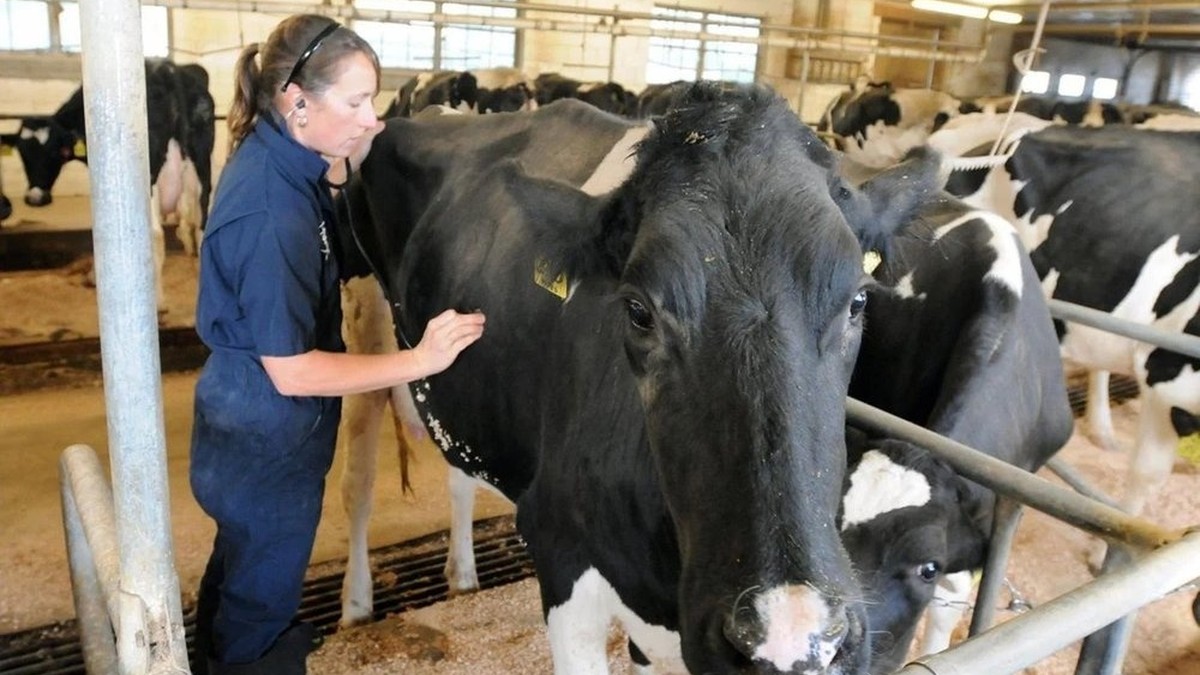
Common Dairy Cattle Disease
Common Dairy Cattle Disease
An example of a good investment but it requires a big capital is cattle raising. Operating this kind of venture, one needs to be aware of the common dairy cattle diseases. Below is an overview of the common diseases:
1. Scours – This is a form of diarrhea caused by bacterial and viral infections. This usually affects newborn calves whose immune systems are not yet developed. Those newborn calves which are infected are in the range of 0 – 7 days old or those up to 21 days. This is caused by rotavirus, corona virus, K99 e. coli bacteria or clostridium perfringens Type C. The effects of the infection include dehydration, depression, death, or a life-time weakness. Giving vaccination doses to the pregnant cow can be part of your preventive measures.
2. Reproductive failure – This type of disease is considered to be the costliest health problem. Diseases under this are the following:
a. Vibriosis – This is a genital campylobacteriosis VD disease acquired by cow and bull during breeding and destroys the embryo at its earliest stages.
b. Leptospiros – This is a contamination acquired through urine and other body fluids shed by the infected cattle. This can lead to reproductive losses..
c. Vulvovaginitis and balanposthitis – Mainly caused by viruses related to respiratory problems.
Some of its effects are abortion and poor reproductive performance.
Effects from the infection of these diseases also result to congenital defects, interference with fertilization, other neonatal diseases, and a weak calf which could also be a carrier of the infection.
3. Respiratory problems – Bovine Respiratory Diseases can cause low milk production and death. Bacteria or some virus may be its causes. Examples of this type of disease are Infectious Bovine Rhinotracheitis (IBR), Bovine Viral Diarrhea (BVD), Bovine Respiratory Syncyntial Virus (BRSV), Parainfluenza Type 3 (PI3), Haemophilus Somnus, and Manheimia haemolytical P. multocida. Discharges from nose and eyes, coughing, lesion on muzzles and nostrils, edema in lower jaw and neck, high temperature, and breathing difficulty are some of its signs. The prominent effect is a reduced milk production.
4. Lameness/Footrot – This involves swelling of a leg or more due to a wound from abrasive surfaces. The disabled movement will result to low milk production and reproductive performance. Also, the treatment cost may bring losses to your dairy cattle venture.
5. Clostridial disease – This is caused by bacteria. Examples of diseases are Blackleg, red water and tetanus. Death is sudden, there is also hemorrhagic bowel syndrome.
It is always best to be aware of your cattle’s physical appearance which may show signs of an infection.
Make sure that your automatic livestock waterer are clean to avoid infecting it with bacteria and other disease-causing elements. Cattle water is an important equipment to keep your cattle healthy but be sure to clean it regularly.